
Health Services
Health Services
|
Our Mission Health services collaborates with students, staff, families, health officials, and community resources to harbor a safe and healthy learning experience at Williams Bay School District. It is a policy of Williams Bay School District to highly recommend a pupil, upon enrollment in the Williams Bay School District, to present evidence of a current medical examination performed by a physician, and current (within the past two years) dental examination performed by a dentist. This policy includes :
Record Update Checklist:
|
Health Services Staff
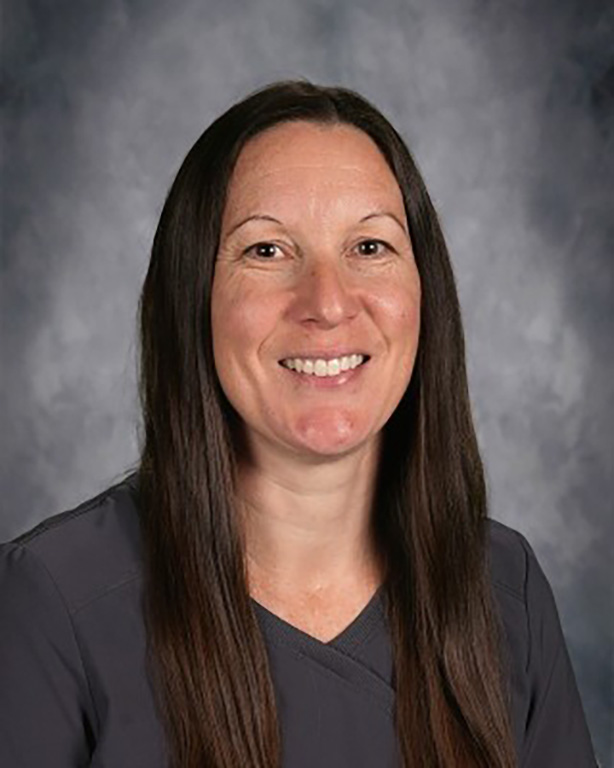
Julie Bishop, School Nurse
High School Hours
On Call
Elementary School Hours
Monday – Friday 9:00 AM – 2:00 PM
262-245-5571
Student Health Record Requirements
Wisconsin Immunization Law requires all students to either show proof of receiving required vaccines or provide a waiver signed by parent or guardian. More information about these requirements and instructions for using the Wisconsin Immunization Registry can be found in the link section on the bottom of this page.
-
- 4 doses of DTaP/DTP/DT/TD
- 4 doses of Polio
- 3 doses of Hepatitis B
- 2 doses of Measles, Mumps, Rubella
- 2 doses of Varicella
-
- 4 doses of DTaP/DTP/DT/TD
- 4 doses of Polio
- 3 doses of Hepatitis B
- 2 doses of Measles, Mumps, Rubella
- 2 doses of Varicella
- 1 dose of Tdap
- 1 dose of Meningococcal ACWY
-
- 4 doses of DTaP/DTP/DT/TD
- 4 doses of Polio
- 3 doses of Hepatitis B
- 2 doses of Measles, Mumps, Rubella
- 2 doses of Varicella
- 1 dose of Tdap
- 2 doses of Meningococcal ACWY
All students need to provide these records within 30 days of admission entering Williams Bay School District. An immunization record form, vaccine clinic dates, and information about waivers can be found in the link section on the bottom of this page. The waiver portion is on the bottom of the immunization record form. The Williams Bay School District is requesting that parents follow the immunization guidelines set forth by the CDC and the State of Wisconsin.
Student Exams
Physical Examinations
Physical Examinations are requested for new students, kindergarten, third grade, sixth grade, ninth grade, and all students who transfer into the Williams Bay School District. These examination documents should be submitted to Williams Bay School District by the first day of school. 6th grade Athletic Exams are required for middle school students participating in sports. 9th grade Athletic Exams are required for high school students participating in sports and requires renewal every other year.
Dental Examinations
Documentation of current Dental Examinations are requested for new students, kindergarten, third grade, sixth grade, ninth grade, and all students who transfer into the Williams Bay School District. These examination documents should be submitted to Williams Bay School District by the first day of school.
Eye Exams
An eye exam performed by an optometrist, ophthalmologist, or physician shall be submitted to Williams Bay School District by December 31st of the student’s first year in school. This examination should include brief history (general health and eye health) of the child, including family history, general external observation of the child’s eyes and surrounding structures, ophthalmoscopic examination through an undilated pupil, gross measurement of peripheral vision, evaluation of eye coordination and function (alignment and motility), and visual activity for each eye. Forms for these examinations and State Laws can be found in the link section on the bottom of this page.
When to Keep Your Child Home
Healthy attendance isn’t just about being present — it’s about being present and able to participate. Students who come back feeling well can concentrate, retain information, and take part in classroom activities that build strong learning habits. To support both wellness and academic growth, here are general guidelines for when a child should stay home:
Children should remain home until symptoms have been gone for 24 hours. If your child has a fever of 100.4°F or higher, they should stay home until they are fever‐free for 24 hours without fever-reducing medication.
For persistent cough or difficulty breathing, it is best to consult your healthcare provider for guidance. Conditions such as strep throat, influenza, conjunctivitis, or draining skin sores often require a period at home and sometimes medical clearance before returning.
If your child is unusually tired, unable to concentrate, or simply not acting like themselves, staying home to rest can help them recover more quickly and return ready to learn. For more information about disease prevention, please click on the links for Wisconsin Department of Human Services and Centers for Disease Control and Prevention.
-
Children should remain home until symptoms have been gone for 24 hours. If your child has a fever of 100.4°F or higher, they should stay home until they are fever‐free for 24 hours without fever-reducing medication.
-
For persistent cough or difficulty breathing, it is best to consult your healthcare provider for guidance. Conditions such as strep throat, influenza, conjunctivitis, or draining skin sores often require a period at home and sometimes medical clearance before returning.
-
If your child is unusually tired, unable to concentrate, or simply not acting like themselves, staying home to rest can help them recover more quickly and return ready to learn. For more information about disease prevention, please click on the links for Wisconsin Department of Human Services and Centers for Disease Control and Prevention.
Condition Management
Forms for your child’s physician to complete for condition management and authorizing medication administration in the school are found in links on the bottom of this page.
Medications
● Non-Prescription medication can be administered at school if the Non-Prescription Medication Form is filled completely and signed by a parent for each school year. The medication must be provided by the parent in the original container and picked up by the parent by the end of the current school year.
● Prescription medication can be administered at school if the Prescription Medication Form is filled completely and signed by the child’s physician and parent for each school year. The medication must be provided by the parent in its prescribed container and picked up by the end of the current school year.
Action Plans
Plans for managing conditions such as allergy, asthma, seizures, and diabetes should be filled by your child’s physician annually and a copy should be provided to Williams Bay School District Health Services. Please contact the School Nurse with any updates regarding your child’s health. Plans and updates are used to coordinate care, prepare for emergencies, and structure accommodations during the school day.
Whole Student Wellness
Breakfast Matters
A nutritious start to the day helps students focus, retain information, and maintain energy. Encouraging regular breakfast can strengthen attendance and make an impact on long-term academic success. For busier mornings, consider having a quick option always available to easily grab on-the-go.
Being Weather-Ready
Please make sure your child comes to school dressed for the day’s weather. Warm layers and proper outerwear help keep students safe and comfortable during outdoor time. We also encourage families to send an extra set of clothes to keep at school—accidents and messy days happen, and having backups helps your child stay dry and ready to learn.
Conversations that Support Health
Human growth and development is a continuous process, and children benefit greatly from receiving age‐appropriate information as they mature. Each year, consider setting aside time to discuss topics such as physical changes, emotional development, personal hygiene, and healthy relationships. Regular conversations help normalize these changes and reduce anxiety or misinformation. When children understand what to expect, they are better prepared, more confident, and more likely to communicate their needs. Your partnership in this learning process strengthens their overall well‐being and supports the health education they receive at school. For ideas of what to discuss, visit kidshealth found in the links section of the bottom of this page.
Local Wellness Policy Triennial Assessment Report Card
Date Completed: 2022-2023
A local wellness policy guides efforts to create a healthier school environment. Effective wellness policies support a culture of well-being by establishing healthful practices and procedures for students, staff, and families. Schools/districts participating in the federal Child Nutrition Programs are required to complete an assessment of their local wellness policy, at minimum, once every three years. This report summarizes policy objectives and details the results of the most recent evaluation. For questions regarding the results, contact William White, District Administrator (wwhite@williamsbayschool.org).
Thank you for partnering with us to keep our school community healthy and focused on success.